Full Frame vs Crop Mode — The Illusion of Extra Reach
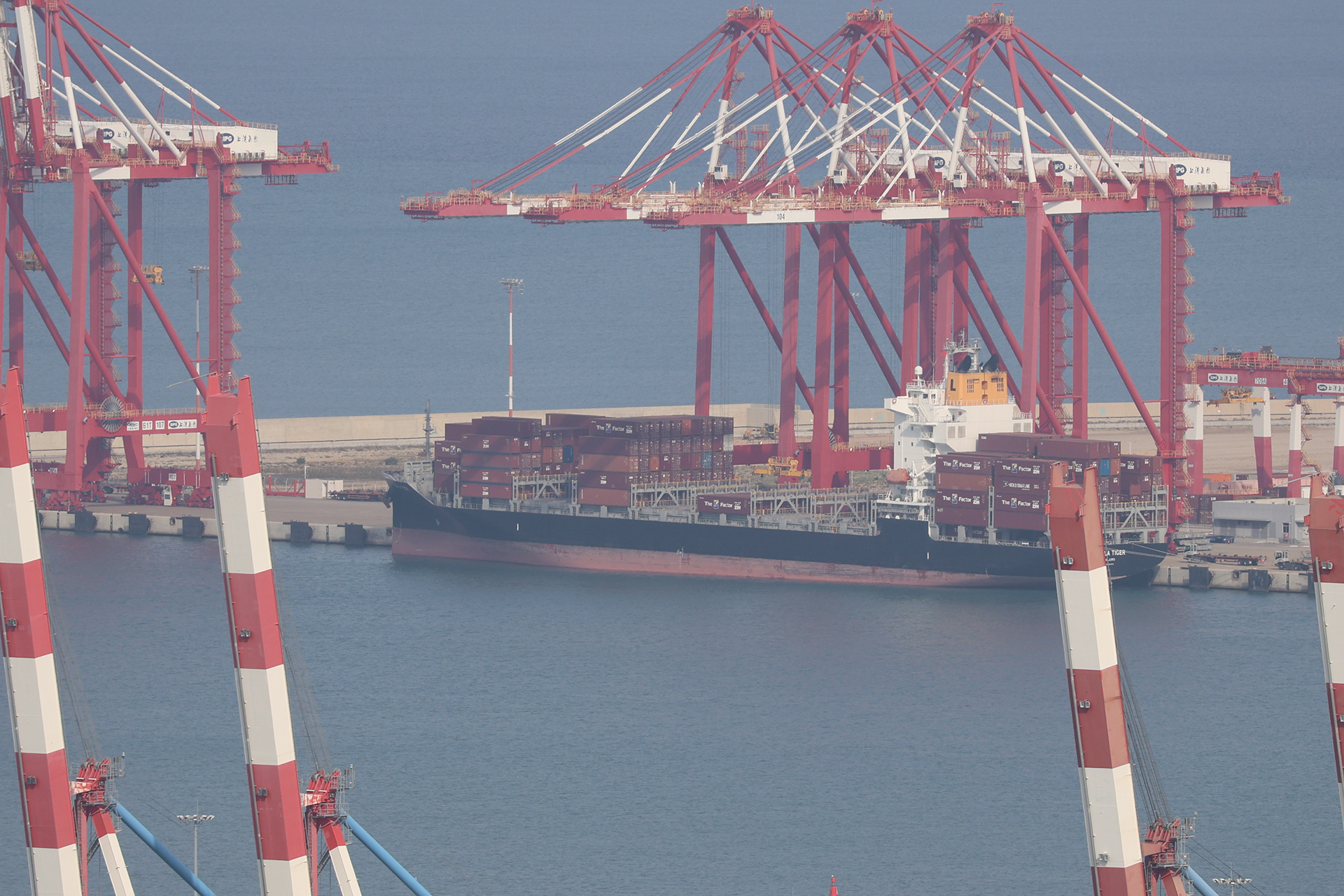
Standing in front of a scene like this port, with cranes towering over the water and a container ship edged neatly against the dock, you quickly realize distance isn’t negotiable. You can’t walk closer, you can’t ask the ship to move, and you definitely can’t climb a crane just to fill the frame a little better. So you look at the Canon R8 and think: Fine — I’ll switch to crop mode for more reach. And yes, the second image looks closer, tighter, as if the lens suddenly became longer. But here’s the thing many photographers eventually learn: that extra reach isn’t real. It’s not a longer lens — it’s simply using fewer pixels from the center of the sensor and discarding the edges. In other words, you could shoot full frame and crop the image later in editing for the exact same effect.
But convenience is a powerful thing. Sometimes switching into crop mode is simply the faster way to frame the shot correctly, especially when subjects are moving — ships entering a port, wildlife, sports, or anything that doesn’t sit and wait politely. It’s a mental shift too: when you shoot full frame, you tend to compose with the environment, letting breathing room and surroundings tell part of the story. Crop mode flips your thinking — suddenly, it’s all about the subject, the clean frame, the compression. The cranes and ship feel larger not because the lens changed, but because everything else disappeared.
Technically, the full frame shot gives you more flexibility — more resolution to work with, more room to reframe, and better image quality edges-to-edges. If the final plan is to crop anyway, some photographers prefer capturing full frame and deciding later. But when you’re on location and time is moving with the sea and the light, crop mode becomes a shortcut. No second guessing, no later trimming — just the framing you want, right now.
So yes, it’s only an illusion of a bigger image. A full-frame crop in post would give you the same outcome. But sometimes convenience, speed, and framing with intention in the moment are worth more than technical purity — and the Canon R8 gives you both options with a flick of a setting, depending on the mood and the story you want the image to tell.